
Read It, Look It Up, Never Forget It
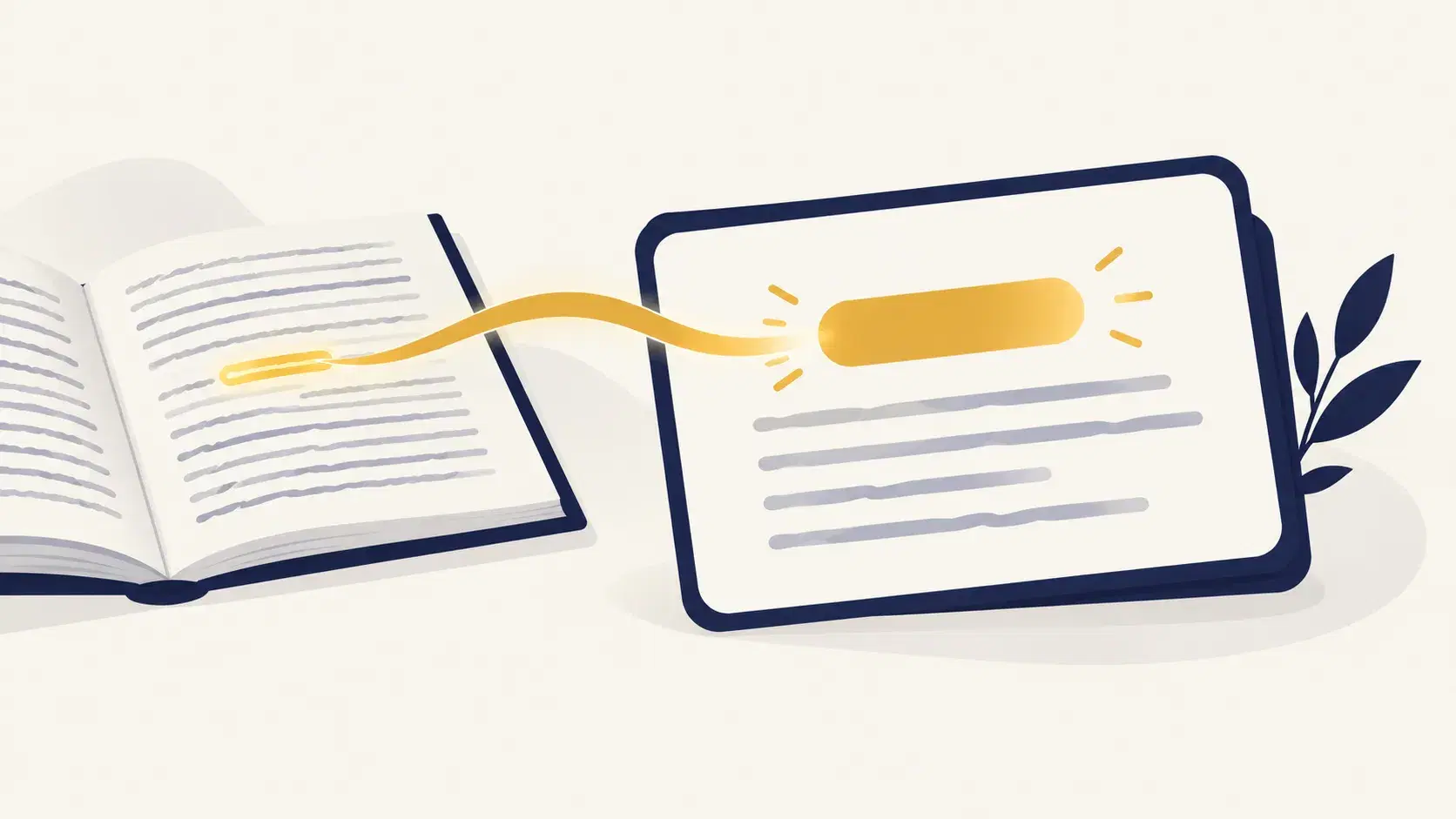
This case study looks at word lookup inside Zadway Reading practice — the feature that lets a candidate check a word's meaning without leaving the passage, and turns that lookup into a flashcard for later review.
The problem: two apps, one word, zero connection
Most candidates preparing for IELTS Reading use one tool to practise passages and a completely different one to build vocabulary — a reading app on one tab, a dictionary or flashcard app somewhere else entirely. The two never talk to each other. A word met for the first time inside a passage gets looked up, understood for the length of that sentence, and then it's gone — nothing carries it over into the vocabulary practice happening in the other app, because the two were never connected in the first place.
A familiar scenario — illustrative, not a single real candidate
Again, the pattern below is a composite built from habits we see repeated across candidates, not a single named student's story. A candidate works through a Reading passage in one app, meets an unfamiliar word, switches to a separate dictionary app to check it, understands the sentence, and switches back. That's the whole transaction — the word isn't written down, isn't added to any list, and isn't seen again until, if ever, it happens to reappear in a future passage by chance.
Why a disconnected lookup barely helps
This matters because research on vocabulary learning through reading consistently finds that meeting a word once, even with a clear definition in front of you, rarely makes it stick. What actually builds retention is retrieval — being asked to recall a word again after the first encounter — combined with repeated exposure spaced out over time. A lookup that ends the moment the dictionary closes gives you neither: no second encounter, and no chance to retrieve the word from memory rather than simply re-reading its meaning.
One encounter isn't enough, wherever it happens
This isn't a knock on looking words up — it's a genuinely useful first step. The issue is what happens next. A word looked up in a tool with no memory of what you checked yesterday is functionally close to a word skipped entirely, because neither one gets the second, third or fourth encounter that turns recognition into recall.
The approach: keep the lookup, keep the word too
Zadway's Reading passages support the same double-click, long-press or select-to-look-up interaction as a standalone dictionary — but because it lives inside the same platform as the Vocabulary Bank, a lookup doesn't have to end when the definition closes.
Looking a word up without leaving the passage
Double-click or long-press any word inside a Reading passage and a definition opens on the spot — meaning, pronunciation, part of speech and the band level it sits at — without switching tabs, losing your place, or breaking the flow of a practice session.
Turning a lookup into something you'll see again
From that same panel, saving the word takes one tap. A saved word doesn't just sit in a bookmark list gathering dust — it joins the same flashcard deck used for regular vocabulary practice, so a word met halfway through a passage on Tuesday can come back as a flashcard on Thursday, instead of only ever existing as a definition read once.
Lookup is a practice-mode tool, not an exam simulation
Word lookup is available during regular Reading practice, where the goal is building vocabulary and comprehension alongside the reading skill itself. It's switched off during timed, exam-simulation sessions, so a candidate still gets an honest read on how they'd cope without it under real conditions — practice and performance stay clearly separate.
One system, not two
The practical effect is that Reading practice and Vocabulary practice stop being separate habits competing for study time and start feeding each other: reading surfaces the words worth learning, and the Vocabulary Bank is what actually makes them stick.
What changed in this scenario
For the composite candidate above, the shift wasn't in how many words they looked up — it was in what happened afterwards. Words that would previously have lived and died inside a single sentence started turning up again days later as flashcards, at which point most were recognised instantly and only a smaller number needed a second look — exactly what you'd expect from a word getting the repeated, spaced exposure a one-off lookup never provided. Reading practice sessions also had shorter interruptions, since checking a word no longer meant leaving the passage to do it.
The lesson: connected practice beats parallel practice
The broader point holds regardless of which tools a candidate uses: a lookup that goes nowhere is barely better than skipping the word, while a lookup that feeds into a review system turns ordinary reading practice into vocabulary practice at the same time. The value isn't the lookup itself — it's what happens to the word in the days after.
Frequently asked questions
Will using word lookup during practice make the real exam harder?
No — lookup is switched off during timed, exam-simulation sessions, so you still get accurate practice at reading without it. Using it during regular practice is what builds the vocabulary that reduces how often you'll need it later.
Does saving a word from a passage add it to my flashcards automatically?
Saving takes one tap from the same lookup panel, and the word then joins the flashcard deck you already use for vocabulary practice — it isn't a separate list you have to remember to open.
Is looking up definitions while reading actually a good study habit, or does it slow me down?
It's a genuinely useful first step. Research on vocabulary learning through reading is clear that a single lookup rarely builds lasting retention on its own — what matters is whether the word gets a second, spaced encounter afterwards, which is what turns recognition into a word you can actually recall in the exam.
How is this different from keeping my own vocabulary notebook next to my reading practice?
A notebook still depends on you remembering to review it. Because a saved word joins the same flashcard deck as the rest of your vocabulary practice, it comes back to you on its own schedule rather than needing a separate habit of opening a notebook.
Put it into practice
If your own study routine currently lives in two separate places — one app for reading, another for vocabulary — the words falling through that gap are exactly the ones costing you marks. On Zadway, looking up a word inside a Reading passage and saving it takes a couple of taps, and from there it's already part of the vocabulary practice you're doing anyway. See why vocabulary lists don't stick without spaced review, explore how Zadway works, compare plans, or start practising.
See Also

Why You Keep Forgetting Vocabulary Lists
Why IELTS vocabulary lists fade within days, what the forgetting curve has to do with it, and what actually makes a word stick before exam day.
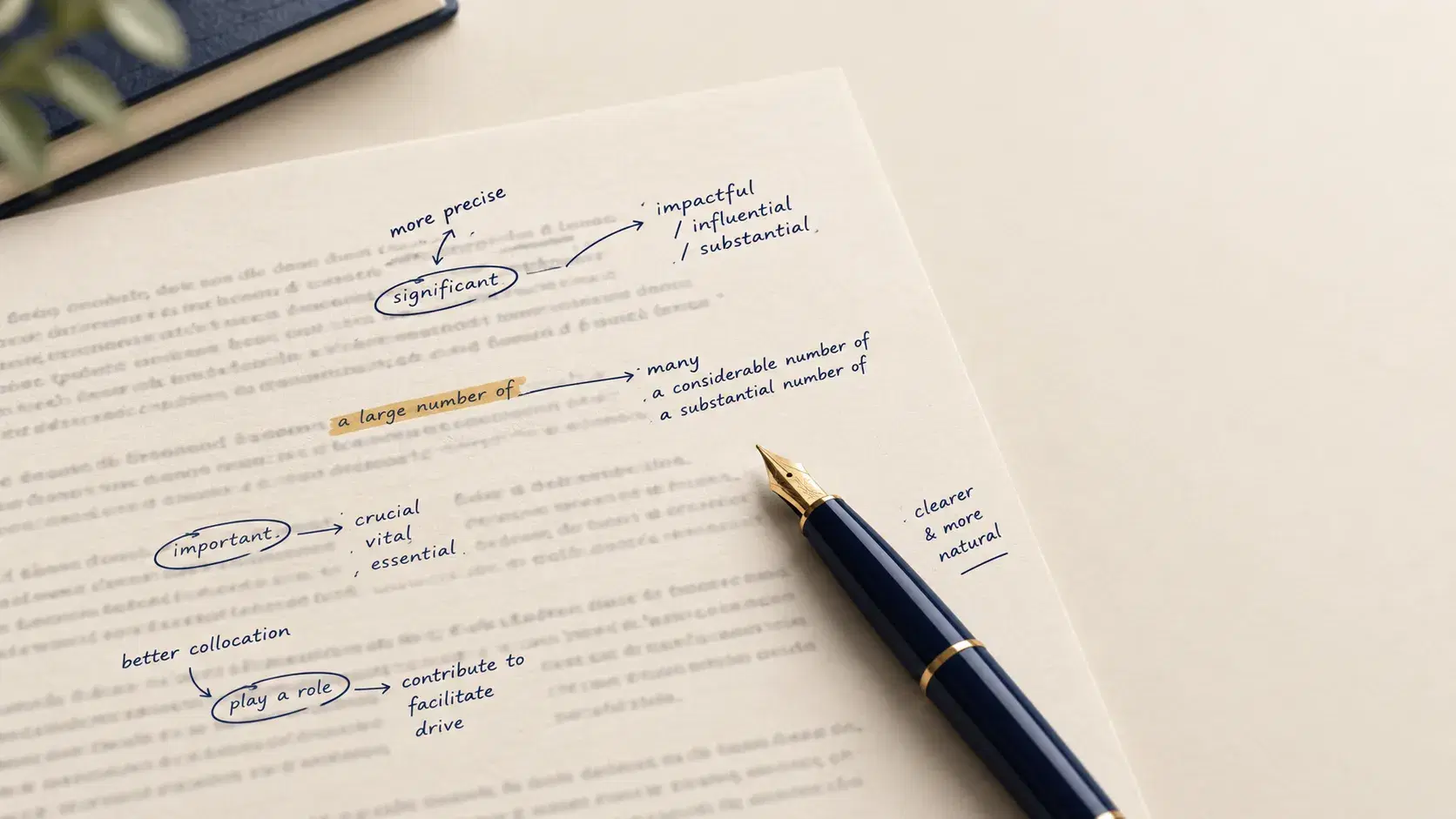
IELTS Vocabulary Accuracy: The Key to a High Score
Learn why IELTS vocabulary accuracy matters more than word count, and follow an examiner's step-by-step method to use words precisely across all four skills.
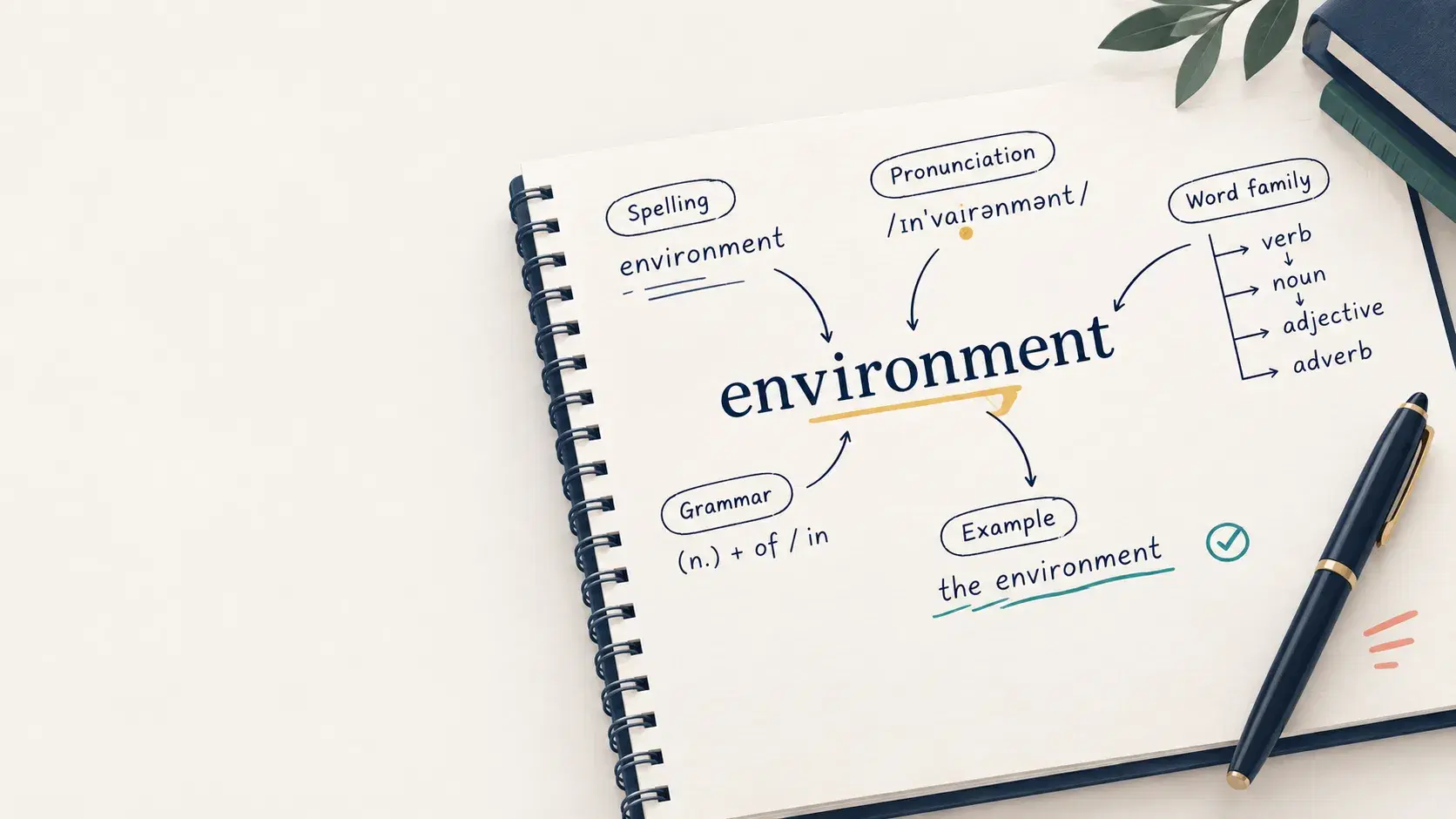
How to Learn IELTS Vocabulary Properly
Knowing a definition isn't knowing a word. An examiner's method for learning IELTS vocabulary in depth: spelling, grammar, collocation and active use.