
Why You Keep Forgetting Vocabulary Lists

This case study looks at Zadway's Vocabulary Bank — the spaced-review system that brings a word back at the point it would otherwise be forgotten, instead of leaving it to fade after a single read.
The problem every candidate recognises
Open almost any IELTS candidate's phone and you'll find the same thing: a note or app crammed with vocabulary lists — words copied from a "Band 7 vocabulary" article, highlighted once, tested at the end of the week, and then, within days, half-forgotten. This isn't a discipline failure. It's what happens to any list of unrelated words studied once and then left alone — and it's worth understanding exactly why, because the fix isn't "try harder," it's "review differently."
A familiar scenario — illustrative, not a single real candidate
The pattern below is a composite, drawn from habits we see repeated across many candidates rather than one named student's story. A candidate preparing for the Writing and Speaking papers builds a list of forty or fifty topic words — education, environment, technology, health — usually copied from a blog post or textbook appendix. They read through the list once, perhaps twice, feel confident, and move on to practising full essays instead. Two weeks later, in a practice test, half of those words simply aren't there when needed — not because the candidate didn't understand them the first time, but because a word studied once, with no plan to see it again, was never going to survive that long.
Why the words disappear: the forgetting curve, not a lack of effort
This isn't a personal failing — it's how memory behaves for everyone. The psychologist Hermann Ebbinghaus demonstrated it more than a century ago: new information decays fastest in the first day or two after you learn it, then continues to fade unless something interrupts that decay. Left alone, most of a fresh vocabulary list is gone within a week — not because it was learned badly, but because it was never reviewed at the point where it was about to be lost.
A generic list makes the problem worse
Add to this a second issue: most vocabulary lists aren't built for the person using them. A list titled "Band 7 vocabulary" hands every reader the same fifty words regardless of whether they're already comfortable with half of them or need something more basic. Time gets spent re-reading words that were never in danger of being forgotten, while the words a candidate actually needs — the ones just above their current level — get the same single glance as everything else.
The approach: right words, right time
Fixing this isn't about a longer list or more willpower. It's about two changes: starting from words that match where a candidate already is, and bringing each word back at the point it would otherwise be forgotten. Zadway's Vocabulary Bank is built around both.
Starting from words that match the level, not just any list
Instead of one fixed list handed to every student, vocabulary practice on Zadway is drawn at the level a candidate is estimated to be working at, so a session spends its time on words that are genuinely within reach — challenging enough to be worth learning, not so far ahead that they're forgotten before they're even understood, and not so easy that the session wastes time confirming what's already known.
Bringing a word back before it's gone, not after
Rather than trusting a candidate to remember to revisit an old list, words a candidate has studied resurface on their own, through a daily queue and a set of flashcards, timed to reappear before the forgetting curve would otherwise have claimed them. Each successful recall makes that word a little more secure and pushes its next review further away — the opposite of a list read once and left to fade.
From a one-off lookup to something you actually revisit
The habit this builds matters more than any single session: instead of vocabulary living in a document that's opened once and forgotten about, it lives inside a routine the candidate keeps returning to — a few minutes a day, rather than one long session that's easy to skip and hard to repeat.
What changed in this scenario
Returning to the composite candidate above: after switching from a static list to level-matched words reviewed on a schedule, the same kind of vocabulary that had previously disappeared within a fortnight was still available weeks later — not because it had been studied harder, but because it had been brought back at the right moments instead of only once. Words that would previously have needed re-learning from scratch before a Speaking practice session were simply there, ready to use, because the review had already happened before they were forgotten. That's a smaller, quieter change than a dramatic score jump — but it's the change a dramatic score jump actually depends on: vocabulary that survives long enough to be used under exam conditions, not just recognised on a list the night before.
The lesson: consistency and relevance beat cramming
The underlying lesson generalises well beyond this one scenario: which fifty words end up on a list matters less than whether those words are the right fifty for that particular candidate, and whether they're reviewed at the moments memory actually needs them. A shorter list studied on a schedule that matches how memory decays will outlast a longer list read once and set aside — and that's true whichever tool does the scheduling. What a platform like Zadway changes is how much of that level-matching and timing happens automatically, so a candidate's effort goes into recalling words rather than managing a spreadsheet of when to revisit them.
Frequently asked questions
Why do I forget vocabulary I thought I'd already learned?
Because memory fades on a predictable schedule unless it's interrupted by review at the right moment. This is normal and applies to everyone — it isn't a sign the word was learned incorrectly the first time, only that it hadn't yet been reviewed enough times to become secure.
Isn't repeating a word enough — why does timing matter?
Repetition helps, but when it happens matters more than how often. Reviewing a word you already remember well wastes the session; reviewing a word right as it's about to be forgotten is what actually strengthens it. That's the difference between re-reading a list and a schedule timed to when memory needs it.
How is this different from a generic flashcard app?
A generic flashcard deck treats every learner the same, regardless of level. Zadway's vocabulary practice starts from words matched to a candidate's estimated band, so review time goes towards words that are genuinely useful to that candidate rather than a list built for an average user.
Does spaced review replace learning a word properly, in depth?
No — timing solves when you see a word again, not how thoroughly you know it. Spelling, pronunciation, grammar and natural use still need to be built deliberately; see How to Learn IELTS Vocabulary Properly for that fuller method.
Put it into practice
If a chunk of your own vocabulary list has already faded by the time you read this, that's not a reason to give up on it — it's a reason to change how it's reviewed. Zadway's Vocabulary Bank starts from words matched to your level and brings them back on a schedule, so what you learn this week is still there when you need it in the exam room. Explore IELTS vocabulary accuracy: the key to a high score for the scoring side, see how Zadway works, compare plans, or start practising.
See Also

Read It, Look It Up, Never Forget It
Why looking up a word inside an IELTS Reading passage should feed your vocabulary practice, not simply disappear the moment the definition closes.
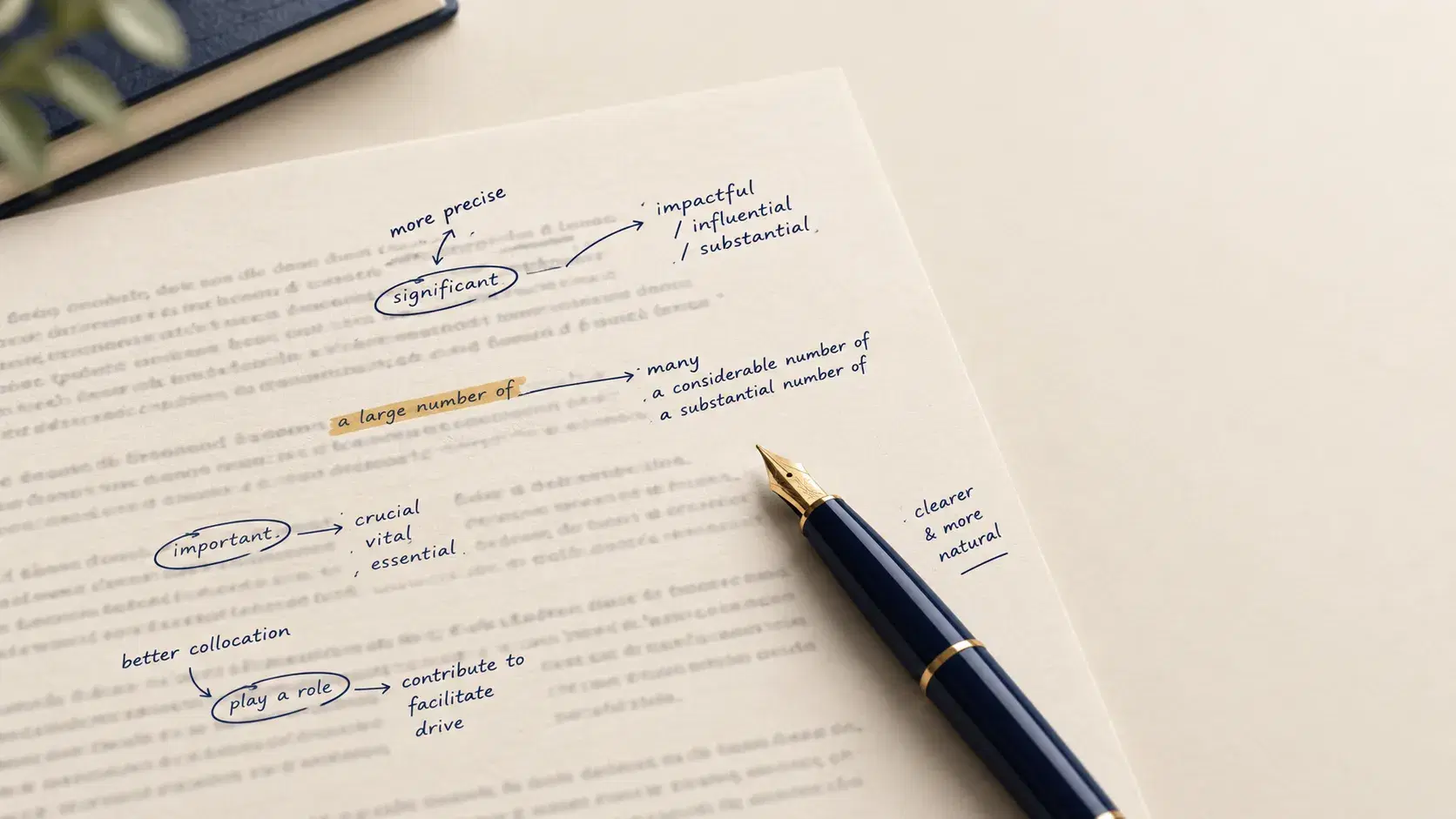
IELTS Vocabulary Accuracy: The Key to a High Score
Learn why IELTS vocabulary accuracy matters more than word count, and follow an examiner's step-by-step method to use words precisely across all four skills.
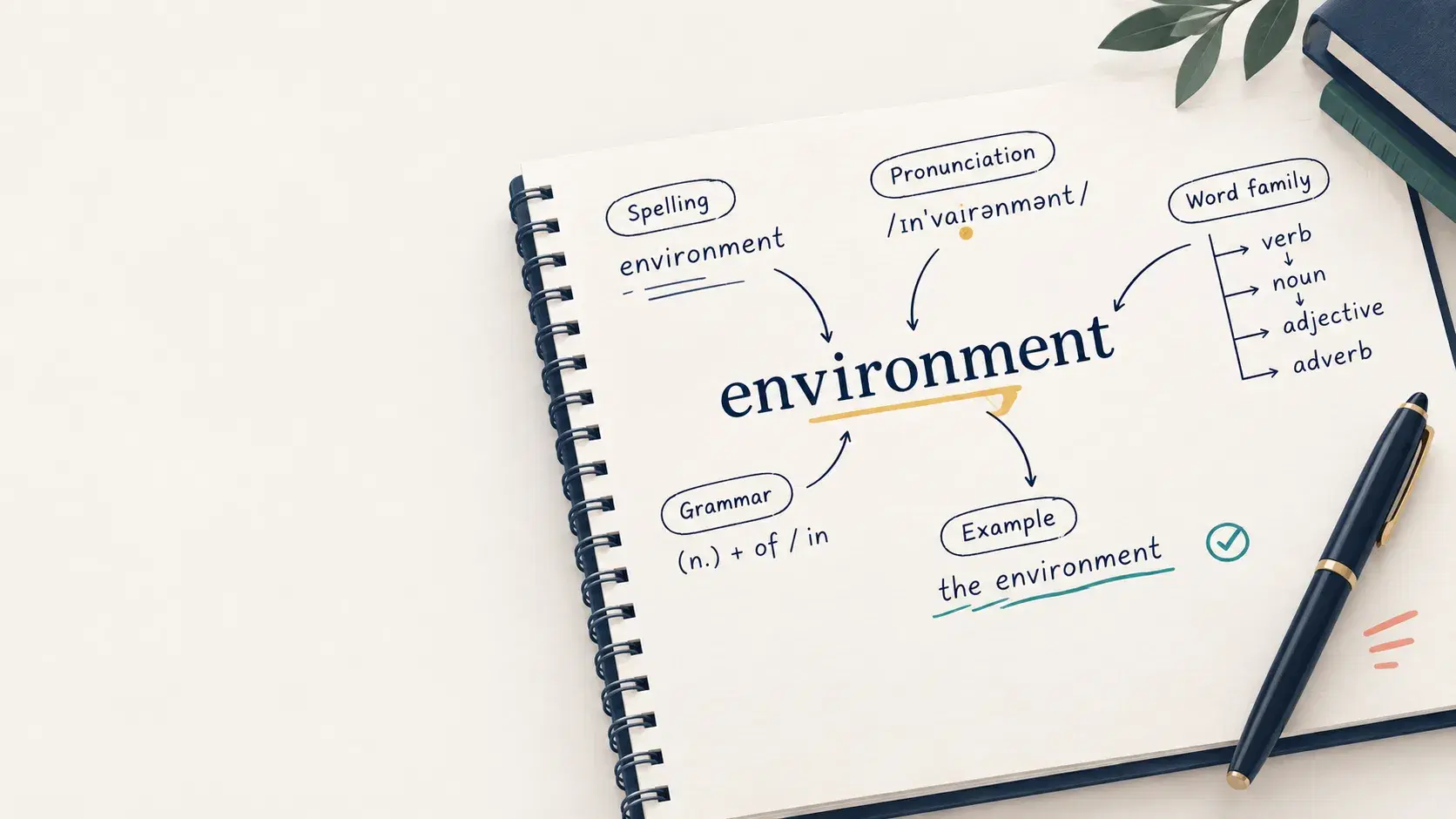
How to Learn IELTS Vocabulary Properly
Knowing a definition isn't knowing a word. An examiner's method for learning IELTS vocabulary in depth: spelling, grammar, collocation and active use.